


Obesity is often viewed as a matter of appearance or body weight, but it is much more than that. Obesity is a chronic medical condition that can significantly impact overall health and increase the risk of several serious diseases.
According to Indian clinical guidelines, obesity should be recognized, evaluated, and managed just like any other long-term health condition. Early identification and appropriate intervention can help prevent complications and improve quality of life.
Why Obesity Matters
Excess body fat affects multiple organs and systems in the body and is associated with an increased risk of:
- Type 2 Diabetes
- High Blood Pressure (Hypertension)
- Heart Disease
- Fatty Liver Disease
- Sleep Apnea and Poor Sleep Quality
- Joint Problems and Osteoarthritis
- Certain Types of Cancer
Importantly, Indians tend to develop obesity-related complications at lower body weights compared to Western populations, making early screening and intervention particularly important.
How Do You Know If You Are Overweight or Obese?
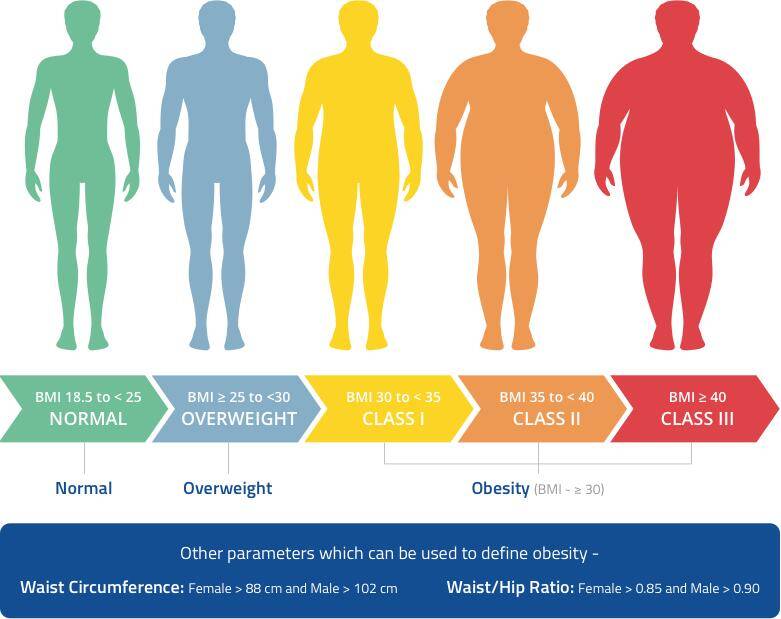
Healthcare professionals commonly use Body Mass Index (BMI) and waist circumference to assess weight-related health risks.
BMI Classification for Indian Adults
| BMI | Category |
|---|---|
| 18 – 22.9 | Healthy Weight |
| 23 – 24.9 | Overweight |
| 25 and Above | Obesity |
In addition to BMI, increased waist circumference may indicate excess abdominal fat, which is strongly linked to diabetes, heart disease, and metabolic disorders.
Obesity Is Not Simply About Willpower
Many people believe obesity results solely from overeating or lack of exercise. In reality, weight gain is influenced by multiple factors, including:
- Unhealthy dietary habits
- Physical inactivity
- Genetic predisposition
- Chronic stress
- Poor sleep quality
- Hormonal disorders
- Certain medications
Because obesity has many contributing factors, successful treatment often requires a personalized and comprehensive approach.
Healthy Steps to Manage Weight
1. Focus on Balanced Nutrition
A healthy eating pattern should include:
✅ Fruits and vegetables
✅ Whole grains
✅ Pulses and legumes
✅ Lean protein sources
✅ Nuts and seeds
Try to limit:
❌ Sugary beverages
❌ Packaged and processed snacks
❌ Fried foods
❌ Excess sweets and desserts
2. Stay Physically Active
Regular physical activity plays a crucial role in weight management and overall health.
Experts recommend at least 150 minutes of moderate-intensity exercise per week, such as:
- Walking
- Cycling
- Swimming
- Dancing
- Jogging
- Recreational sports
Choose activities you enjoy to improve consistency and long-term success.
3. Prioritize Sleep and Stress Management
Poor sleep and chronic stress can affect hormones that regulate hunger and metabolism, making weight management more difficult.
Simple strategies include:
- Maintaining a consistent sleep schedule
- Limiting screen time before bed
- Practicing meditation or mindfulness
- Engaging in relaxation techniques
4. Seek Professional Support When Needed
For some individuals, lifestyle modifications alone may not be sufficient.
Depending on individual health conditions and risk factors, doctors may recommend:
- Structured weight-management programs
- Medical nutrition therapy
- Anti-obesity medications
- Bariatric (weight-loss) surgery in selected cases
These treatments are carefully tailored to each person's needs and health goals.
Small Changes Can Deliver Big Results
You do not need to lose a large amount of weight to experience health benefits.
Research shows that losing just 5–10% of body weight can help:
- Improve blood sugar control
- Lower blood pressure
- Improve cholesterol levels
- Reduce strain on joints
- Enhance overall well-being
The goal should be sustainable, long-term health improvement rather than rapid or extreme weight loss.
Takeaway
Obesity is a medical condition—not a personal failure. Understanding its causes and seeking appropriate support can significantly improve long-term health outcomes.
Early recognition, healthy lifestyle choices, and evidence-based medical care can reduce the risk of complications and help individuals achieve better health and quality of life.
If you are concerned about your weight, diabetes risk, blood pressure, or other obesity-related health issues, consult a healthcare professional to create a personalized management plan.
Your Health Journey Starts Today
Small, consistent steps can lead to lasting change. The sooner you begin, the greater the benefits for your future health.
📞 Take the First Step Towards Better Health
Obesity is a medical condition that can impact your overall health, but with the right guidance and support, it can be effectively managed. Whether you're concerned about weight gain, diabetes risk, high blood pressure, or other obesity-related health issues, early intervention can make a significant difference.
Madhumita Clinic
📍 Address:
Niramaya Medical Centre, 2nd Floor, Gokul Road,
Hubli – 580030, Karnataka, India
📞 Phone:
+91 63609 38654
🕒 Consultation Timings:
1:00 PM – 3:00 PM
5:00 PM – 9:00 PM
Book your appointment today for a comprehensive health evaluation and personalized weight management guidance.
Madhumita Clinic – Helping You Achieve Better Health, One Step at a Time.