


SGLT2 inhibitors have transformed the treatment of Type 2 Diabetes, Heart Failure, and Chronic Kidney Disease. Medications such as Empagliflozin, Dapagliflozin, and Canagliflozin not only help lower blood sugar levels but also provide significant protection for the heart and kidneys.
While these medications are generally safe and highly effective, understanding a few important precautions can help patients maximize their benefits and minimize potential risks.
What Are SGLT2 Inhibitors?
SGLT2 (Sodium-Glucose Cotransporter-2) inhibitors work by helping the kidneys remove excess glucose through urine. This unique mechanism not only improves blood sugar control but also offers cardiovascular and renal protection.
Commonly prescribed SGLT2 inhibitors include:
- Empagliflozin
- Dapagliflozin
- Canagliflozin
These medications are now considered an important part of modern diabetes and kidney care.
1. Stay Well Hydrated
Because SGLT2 inhibitors increase glucose and water loss through urine, dehydration can occur if fluid intake is inadequate.
Tips to Stay Hydrated:
✔ Drink adequate water throughout the day
✔ Increase fluid intake during hot weather
✔ Stay hydrated during exercise
✔ Pay extra attention during fever, vomiting, or diarrhea
Seek Medical Advice If You Experience:
Dizziness
Excessive thirst
Weakness
Reduced urine output
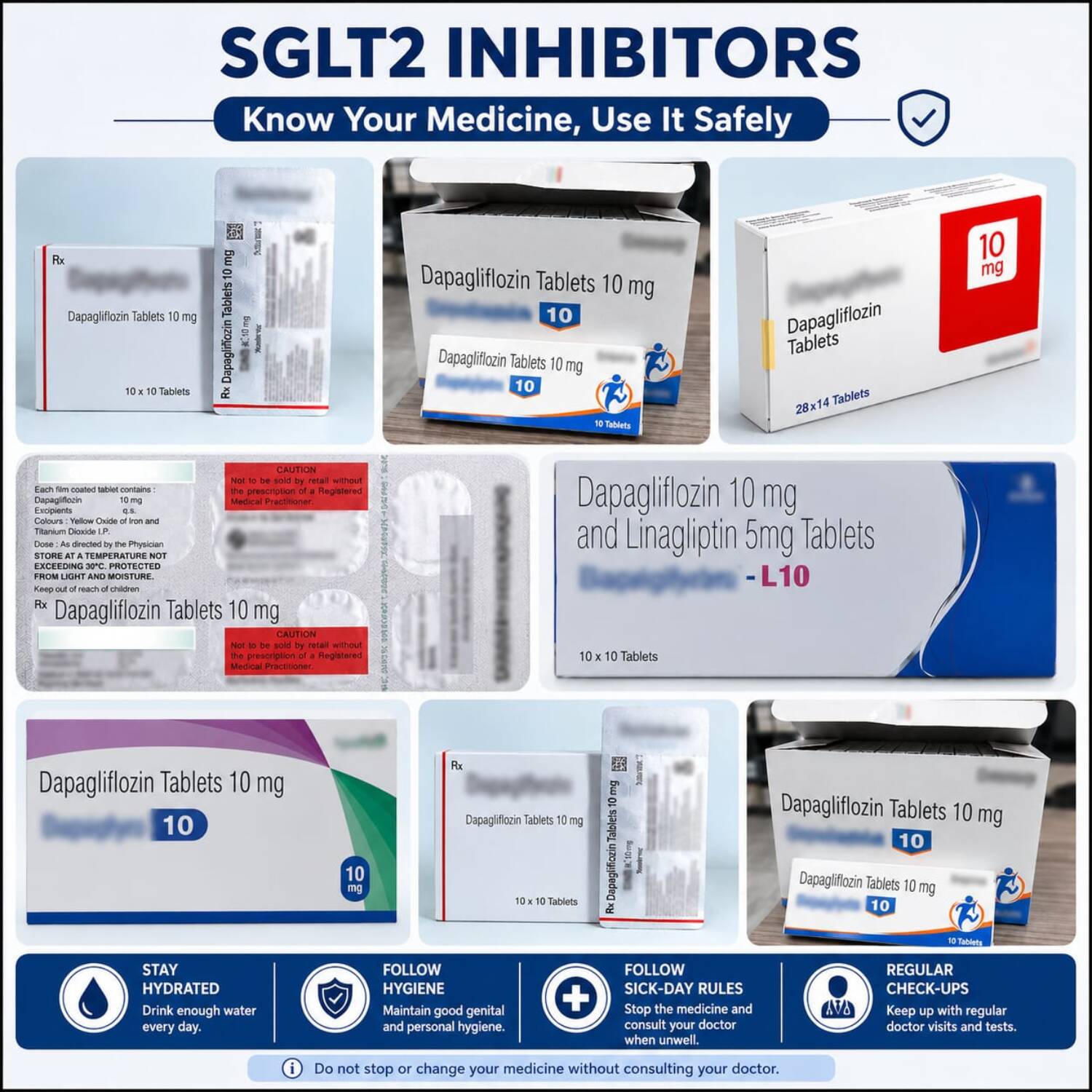
2. Practice Good Genital Hygiene
The presence of glucose in urine can slightly increase the risk of genital fungal infections.
To Reduce Your Risk:
✔ Maintain good personal hygiene
✔ Keep the genital area clean and dry
✔ Wear breathable cotton underwear
✔ Change out of wet clothing promptly
Contact Your Doctor If You Notice:
Itching
Redness
Discomfort
Abnormal discharge
3. Know Your Sick-Day Rules
During acute illness, dehydration and metabolic complications may develop more easily.
Temporarily Stop Your SGLT2 Inhibitor and Contact Your Doctor If You Have:
Severe vomiting
Persistent diarrhea
High fever
Significant dehydration
Inability to eat or drink normally
Following these "sick-day rules" can help reduce the risk of serious complications, including diabetic ketoacidosis.
4. Watch for Symptoms of Diabetic Ketoacidosis (DKA)
Although uncommon, SGLT2 inhibitors can occasionally trigger Diabetic Ketoacidosis (DKA), even when blood sugar levels are not extremely high.
Seek Immediate Medical Attention If You Develop:
Nausea or vomiting
Abdominal pain
Rapid breathing
Extreme fatigue
Confusion
Unusual drowsiness
Early recognition and treatment are essential.
5. Inform Your Doctor Before Surgery
If you are scheduled for surgery or any procedure requiring prolonged fasting, inform your healthcare team that you are taking an SGLT2 inhibitor.
These medications are usually stopped temporarily before major surgery to reduce the risk of diabetic ketoacidosis.
Always follow your doctor's instructions regarding when to stop and restart the medication.
6. Monitor Your Kidney Health
One of the major benefits of SGLT2 inhibitors is kidney protection. However, regular monitoring remains important.
Your doctor may periodically assess:
Kidney function tests
Blood pressure
Electrolyte levels
Blood glucose levels
Routine follow-up helps ensure safe and effective long-term treatment.
7. Be Alert for Urinary Tract Infections
Most patients tolerate SGLT2 inhibitors very well, but some individuals may develop urinary tract infections (UTIs).
Seek Medical Care If You Experience:
Burning while passing urine
Frequent urination
Fever
Lower abdominal pain
Blood in the urine
Prompt treatment usually resolves these infections quickly.
8. Continue a Healthy Lifestyle
SGLT2 inhibitors work best when combined with healthy lifestyle habits.
Focus On:
✔ Balanced nutrition
✔ Regular physical activity
✔ Maintaining a healthy weight
✔ Adequate sleep
✔ Avoiding tobacco use
Medication should always be part of a comprehensive health plan.
9. Never Stop Medication Without Medical Advice
Many patients are prescribed SGLT2 inhibitors not only for diabetes management but also to protect against:
Heart failure
Kidney disease progression
Cardiovascular complications
Never stop these medications on your own without discussing it with your healthcare provider.

Key Takeaway
SGLT2 inhibitors are among the most important advances in modern medicine. Their benefits extend far beyond blood sugar control, offering powerful protection for the heart and kidneys.
By staying hydrated, practicing good hygiene, following sick-day rules, attending regular follow-up appointments, and recognizing warning signs early, patients can safely enjoy the full benefits of these medications.
A Little Awareness Goes a Long Way.
📞 Consult an Expert for Safe & Effective Diabetes Care
If you are taking SGLT2 inhibitors such as Empagliflozin, Dapagliflozin, or Canagliflozin—or have questions about diabetes, kidney health, heart failure, or medication management—professional guidance is essential for achieving the best outcomes.
Regular follow-up, timely monitoring, and personalized treatment can help you maximize the benefits of your medication while minimizing potential risks.
Madhumita Clinic
📍 Address:
Niramaya Medical Centre, 2nd Floor, Gokul Road,
Hubli – 580030, Karnataka, India
📞 Phone:
+91 63609 38654
🕒 Consultation Timings:
1:00 PM – 3:00 PM
5:00 PM – 9:00 PM
Book your appointment today for expert diabetes, thyroid, obesity, and metabolic health consultation.
Madhumita Clinic – Empowering Better Health Through Expert Care and Patient Education.